The Benefits of a Flat Roof
Why a flat roof can be the right choice for extensions and modern homes, plus an overview of the EPDM, GRP and single-ply systems used today.
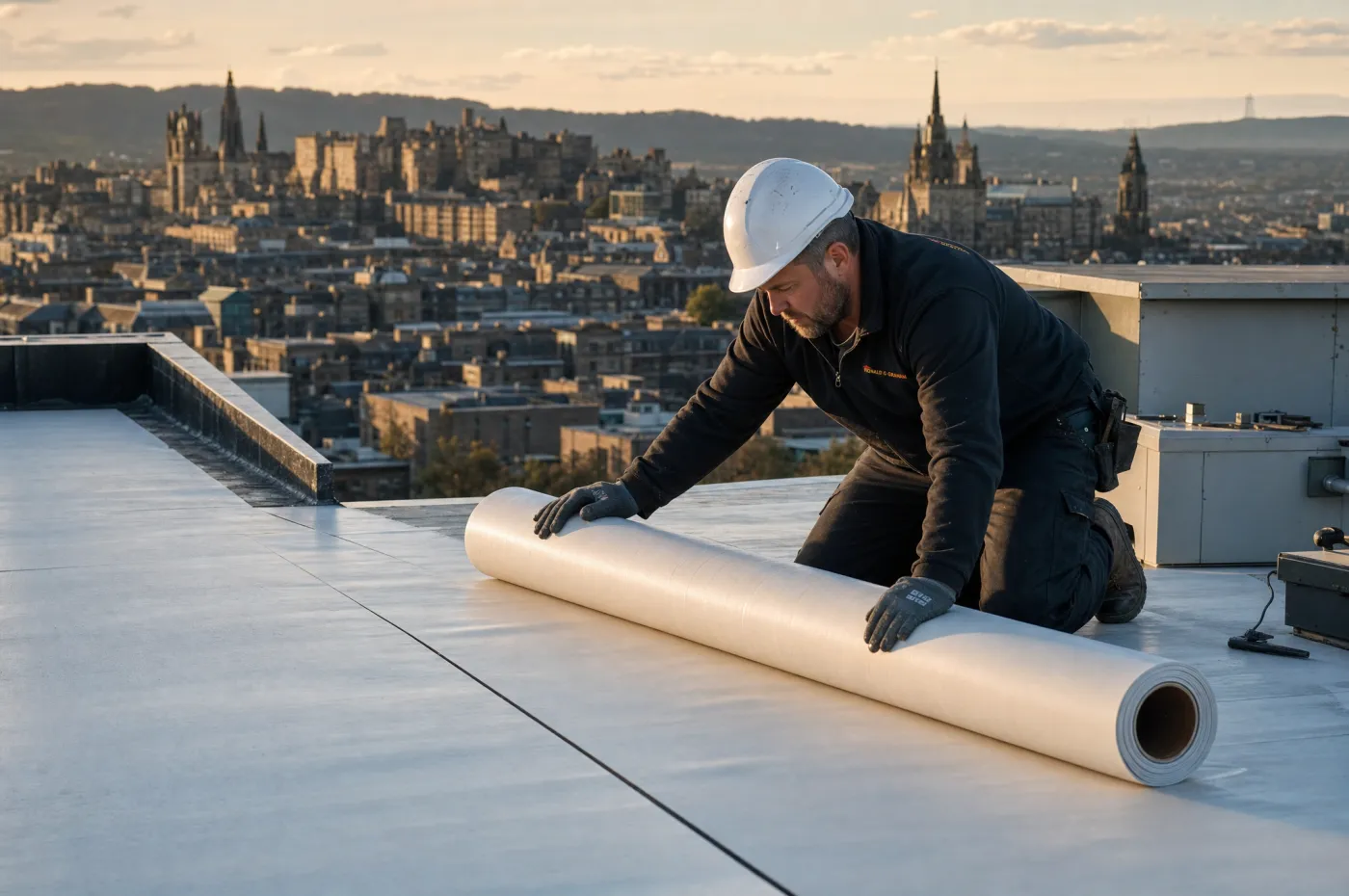
A flat roof is often the better choice over a pitched one for extensions, garages, dormers and modern homes, because it is easier and safer to access, simpler to maintain, more cost-effective to build, and gives you usable space for solar panels, a terrace or plant. Modern systems such as EPDM rubber, GRP fibreglass and heat-welded single-ply membranes have moved flat roofing well beyond old-fashioned felt, with lifespans that now stretch into decades when fitted properly.
If you’re weighing up the two, here’s what a flat roof brings, and a look at the systems used today.
Why choose a flat roof
Easier access. A steeply pitched roof is awkward and risky to get onto, even for professionals. A flat roof is far simpler to reach, whether that’s for routine checks or to make use of the space.
Simpler maintenance. Being able to get up safely means clearing gutters, brushing off leaves and checking how the roof has come through winter is straightforward. Larger jobs should still be left to a roofer, but routine upkeep keeps any roof in good condition for longer, and a flat roof makes that upkeep easy.
Durability. Modern flat roof systems are built to take weather and wear season after season. A well-installed flat roof copes well with storms and big swings in temperature.
Room for plant and equipment. Solar panels, air conditioning units, aerials and satellite dishes are all far easier to mount and secure on a flat roof than on a pitched slope, where everything has to be carefully fixed against the incline.
Flexible use of space. A flat roof opens up options a pitched roof doesn’t. It works neatly with box-style extensions, lets you build up or out more freely, and can even support a roof terrace. It also avoids the cost and structural complexity of topping an extension with a new pitched roof.
Cost-effective. Flat roofs generally use reasonably priced materials and a more straightforward installation than pitched roofs, which makes them a sensible option for many projects, provided the work is done properly the first time.
Modern flat roof systems
“Flat roof” no longer means a few layers of felt. Today there are several reliable systems, each suited to different jobs.
- EPDM (rubber membrane). A durable single-sheet rubber membrane, often laid in one piece on smaller roofs to minimise joins. Long-lasting, flexible and a popular choice for extensions and garages, with a service life that commonly runs to 30 years or more.
- GRP (fibreglass). A glass-reinforced plastic system applied as a seamless, rigid layer. Hard-wearing and well suited to roofs that see foot traffic, such as balconies and terraces.
- Single-ply membranes. Lightweight sheet membranes, typically PVC or TPO, that are heat-welded at the seams to form a continuous waterproof layer. Common on larger residential and commercial roofs. Our single-ply flat roofing guide covers how these are installed.
- Felt systems. Modern high-performance built-up felts, applied in layers, remain a dependable option and a long way from the felt roofs of the past. If you already have one, our guide on caring for a felt flat roof explains how to keep it in good order.
The right system depends on the size of the roof, how it’ll be used and the look you’re after. A roofer can recommend the best fit once they’ve seen the job.
Getting it right
A flat roof rewards a good installation. The systems above all last well when fitted correctly, and the most common cause of flat roof problems is poor workmanship rather than the design itself, so it’s worth using a specialist. Adequate falls to shed rainwater, proper detailing at upstands and outlets, and clean welded or bonded seams are what separate a flat roof that lasts decades from one that leaks within a few years.
We install and repair flat roofs for residential properties and commercial flat roofing across Edinburgh and beyond. If you’re planning a new roof, an extension or a replacement, get in touch to talk through the options, or see the full range of work on our services page.

Frequently asked questions
How long does a flat roof last?
It depends on the system. A well-installed EPDM rubber roof commonly lasts 30 years or more, GRP fibreglass and single-ply membranes are in a similar range, and modern built-up felt is shorter but still dependable. Workmanship and regular upkeep make a bigger difference to lifespan than the headline figure for any one material.
Are flat roofs prone to leaking?
Not when they are designed and installed properly. Older flat roofs earned a poor reputation, but modern membranes are far more reliable. Most leaks trace back to poor falls, weak detailing around upstands and outlets, or failing seams rather than the flat design itself.
Do flat roofs need a slope?
Yes. A flat roof is laid with a slight fall, usually a minimum of around 1 in 80 once built, so rainwater drains to the outlets instead of pooling. Standing water is one of the main causes of premature failure, so the fall is built in from the start.
Which flat roof system is best for an extension?
EPDM and GRP are both popular for domestic extensions. EPDM suits a simple rectangular roof that can be covered in one sheet, while GRP is a good fit where the roof will see foot traffic, such as a balcony or terrace. A roofer can advise once they have seen the job and how it will be used.